
Do You Need Grease on Battery Terminals? (Yes — Here's What to Use)

Short answer: yes. A thin layer of the right grease on your battery terminals is the cheapest insurance in your entire electrical system. It blocks the corrosion that causes hard starts, voltage drop, and ruined cables — and it takes about five minutes to apply. Here's what terminal grease actually does, which type to use, and the one mistake that makes things worse.
Why Battery Terminals Corrode
Battery terminals live in the worst environment in your vehicle: acid vapor venting from the battery, heat cycles, moisture, and road salt, all acting on a junction of dissimilar metals (lead post, copper cable). The result is the familiar green-blue crust (copper sulfate) or white powder (lead sulfate). That crust isn't just ugly — it's resistive. Corrosion at the terminal chokes current exactly where every amp in the vehicle has to pass, and it wicks up under the cable insulation where you can't see it, killing the cable from the inside.
What Grease Does (and Doesn't Do)
Grease works by sealing air and moisture away from the metal junction. No oxygen and no electrolyte means no corrosion reaction. If the cables themselves are damaged or heavily corroded, it's time to replace battery cables rather than relying on grease alone. What it doesn't do is improve conductivity — and that's fine. The metal-to-metal clamp contact carries the current; the grease protects everything around it.
Which Grease Should You Use?
| Type | The story | Verdict |
|---|---|---|
| Dielectric (silicone) grease | Non-conductive sealant. Apply after the connection is tightened — over the assembled terminal, not between the mating surfaces. | Good |
| Petroleum jelly | The old-school fix. Works short-term but thins and runs off in under-hood heat. | OK in a pinch |
| Battery terminal protector grease + felt washers | Purpose-made: acid-neutralizing washers under the clamp plus sealing grease over it. | Best |
| Conductive/copper anti-seize | Conductive paste near a battery invites tracking and shorts. | Avoid |
How to Apply It (5 Minutes)
1. Disconnect negative first, then positive. Clean both posts and clamps to bright metal with a wire brush; neutralize crust with baking soda and water, then dry.
2. Slide an anti-corrosion felt washer over each post — red on positive, green on negative.
3. Reconnect positive first, negative last, and tighten snug.
4. Coat the assembled terminal — clamp, post top, and exposed cable end — with terminal protector grease. Seal the surfaces, don't pack the connection.
The Complete Fix
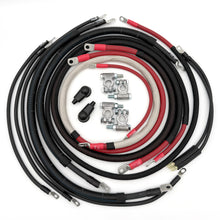
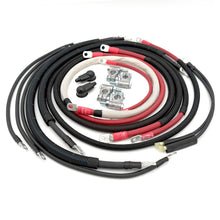
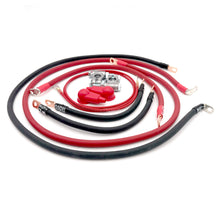
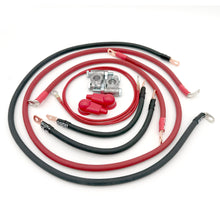
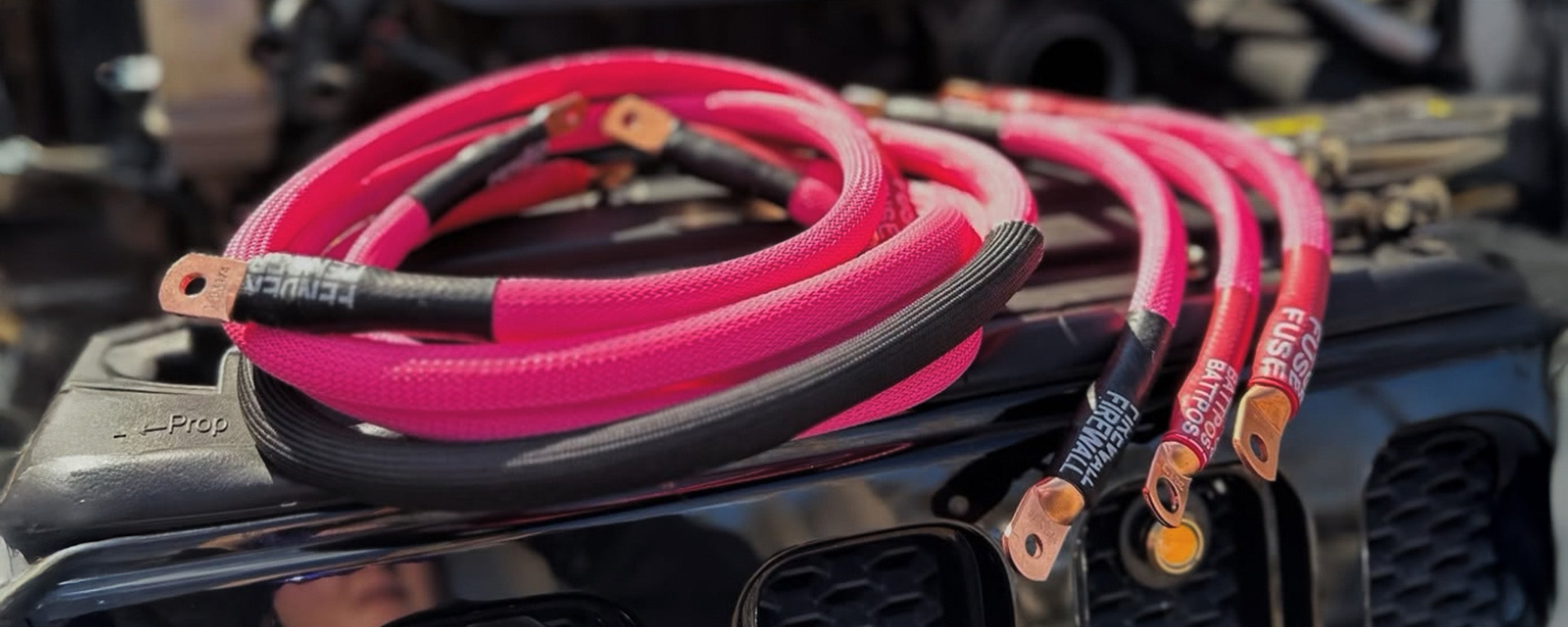
Our Battery Terminal Protectors with Grease kit includes the felt washers and the correct grease in one package — available in standard and diesel (dual-battery) versions. And if your clamps are already crusted or the corrosion has wicked up into the cable, grease can't reverse that: that's the point where our military-style terminals or a full Big 7 cable kit stops the problem permanently. New cables plus protected terminals is the done-once combination.
Frequently Asked Questions
Grease before or after connecting?
After. Clamp metal-to-metal first, then seal over the top.
Does dielectric grease block current?
Not when applied correctly — the tightened clamp displaces grease at the contact points; the film seals everything else.
How often should I reapply?
Check yearly; reapply every 1–2 years or any time you service the battery.
Grab the Terminal Protector kit →
Corrosion already wicked into the cable? Stop it for good with military-style terminals or a full Big 7 cable kit.