
Are Battery Cable Upgrades Worth It? An Honest Answer

Yes — if your vehicle is more than 10–15 years old, or you've added (or plan to add) a winch, lights, high-output alternator, or serious audio. Upgraded battery cables fix slow cranking, dim lights, and charging voltage drop at the source, typically for $100–$350. If your vehicle is newer, bone stock, and starts instantly every time, you can skip the upgrade for now. Here's the honest breakdown.
What Do Upgraded Battery Cables Actually Do?
Battery cables are the arteries of your electrical system: every amp that starts the engine, charges the battery, and runs your accessories passes through them. Upgraded cables do two things. First, larger gauge pure-copper wire has less resistance, so less voltage is lost between the alternator, battery, and starter. Second, new cables and terminals eliminate the corrosion that builds inside decades-old factory wire — the hidden resistance that no amount of battery replacement fixes.
The Voltage Drop Math
Resistance costs you voltage exactly when you need it most. A starter that should see 12V but receives 10.5V through corroded cables cranks noticeably slower and draws more current doing it, which heats the cable and makes the problem worse. On the charging side, a 160-amp alternator feeding the battery through an undersized cable simply can't deliver its rated output — you paid for amps that never arrive. If a multimeter shows more than 0.3V difference between your battery post and starter feed while cranking, cables are your problem. Even the best cables perform better when the terminals are protected with battery terminal grease, reducing corrosion that contributes to voltage drop.
When Is the Upgrade Clearly Worth It?
- Your vehicle is 15+ years old with original cables — Jeep XJ/TJ/YJ/JK and older diesel trucks are the poster children.
- You run or plan to run a winch, light bar, air compressor, or upgraded stereo.
- You've installed a high-output alternator (the cable is the bottleneck between you and its rated output).
- You have symptoms: slow cranking, dim lights at idle, flickering gauges, or repeated “bad battery” diagnoses that never fix the problem.
When Should You Skip It?
Honesty matters here: if your vehicle is under ~10 years old, completely stock, and starts instantly with steady voltage, new cables won't transform anything. Put the money toward the accessory you actually want — and upgrade the wiring when the accessory shows up.
DIY vs. a Pre-Made Kit
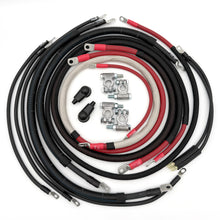
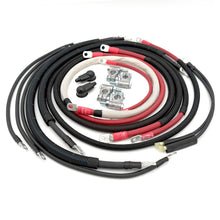
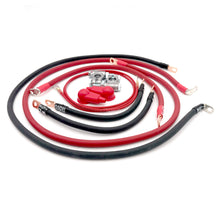
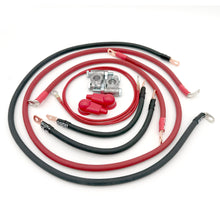
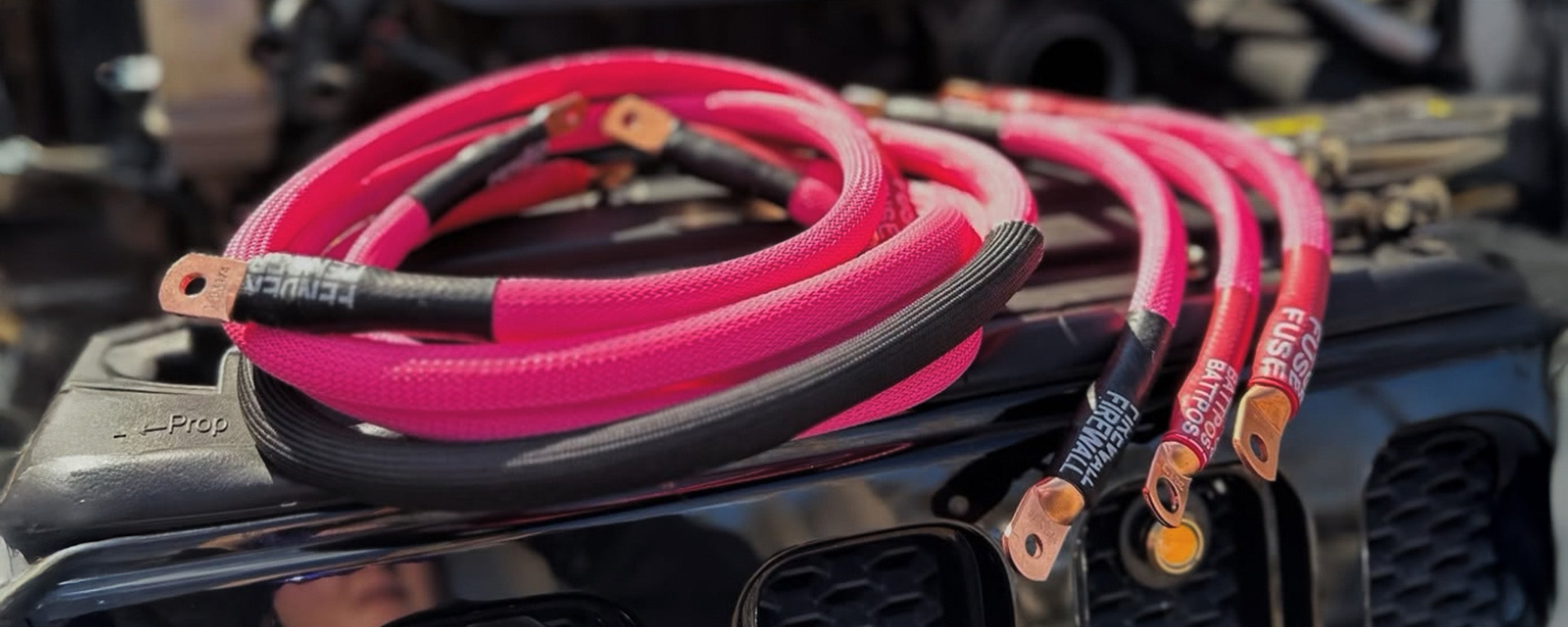
You can absolutely build your own cables. Buying quality OFC copper wire by the foot, lugs, heat shrink, and a proper crimping tool typically lands between $150 and $250+ in materials and tools for a full 7-cable set — before your time measuring, cutting, crimping, and sealing 14+ connections, any one of which can become a new failure point if it isn't gas-tight. A vehicle-specific Big 7 kit costs from $107.50, arrives cut to length with labeled, sealed, factory-grade crimped ends, and installs with hand tools in about an hour. That's why we tell people: the kit isn't just parts, it's the fabrication already done right.
The Bottom Line
For older vehicles and upgraded builds, battery cables are among the highest value-per-dollar upgrades you can make — they fix real, measurable problems and unlock the hardware you've already bought. Start with the wire size guide, understand the Big 3 vs Big 7 difference, and pick the kit that matches your vehicle.